WESLEYAN UNIVERSITY · Jianna Shao · 2026
Curves in 3D Printing Steel
Predictive modeling how robotic toolpath curvature influences metal deposition and bead geometry in Wire Arc Additive Manufacturing (WAAM)
01 — THE QUESTION
How does the shape of a robot's path change what it produces?
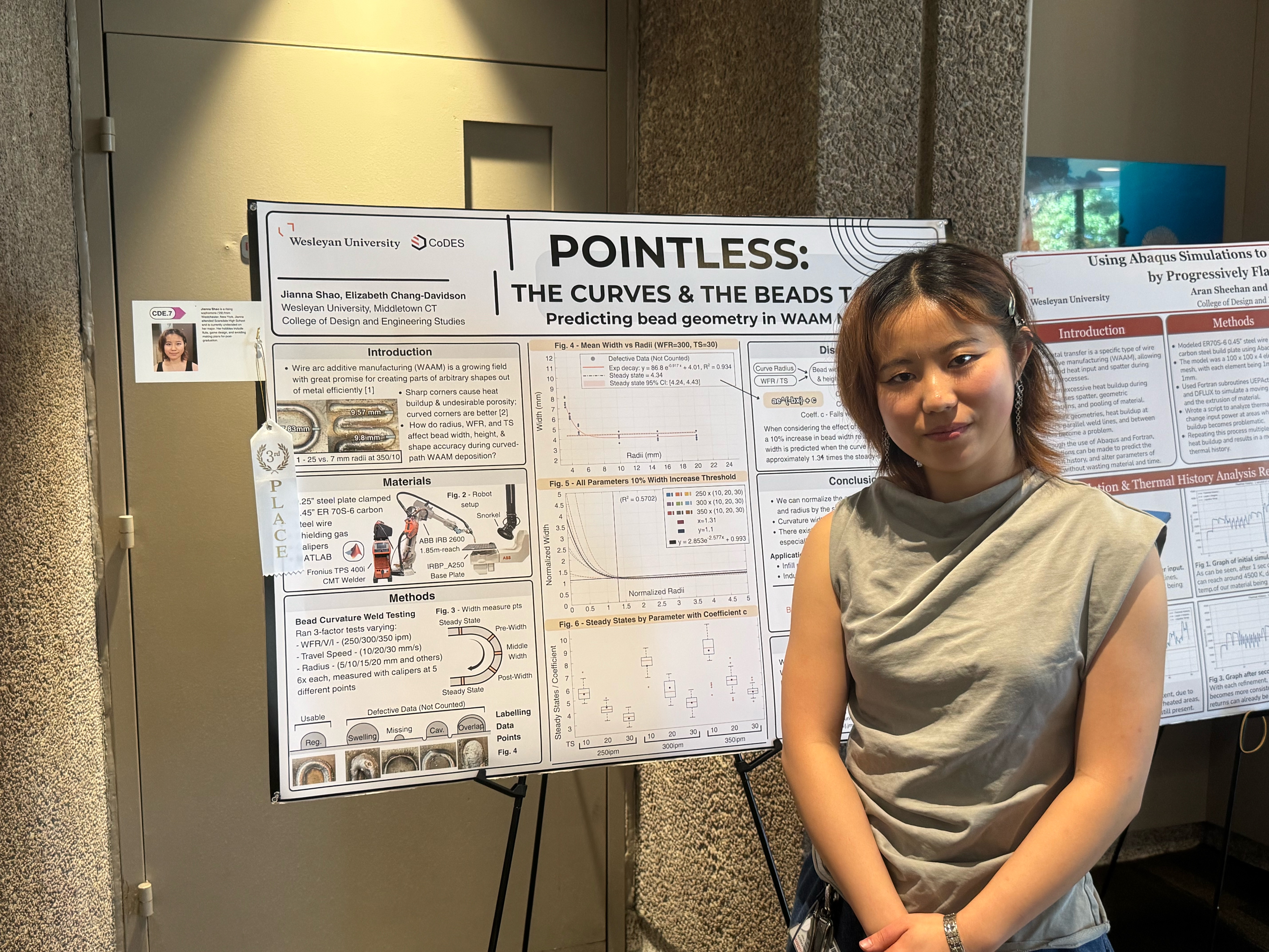
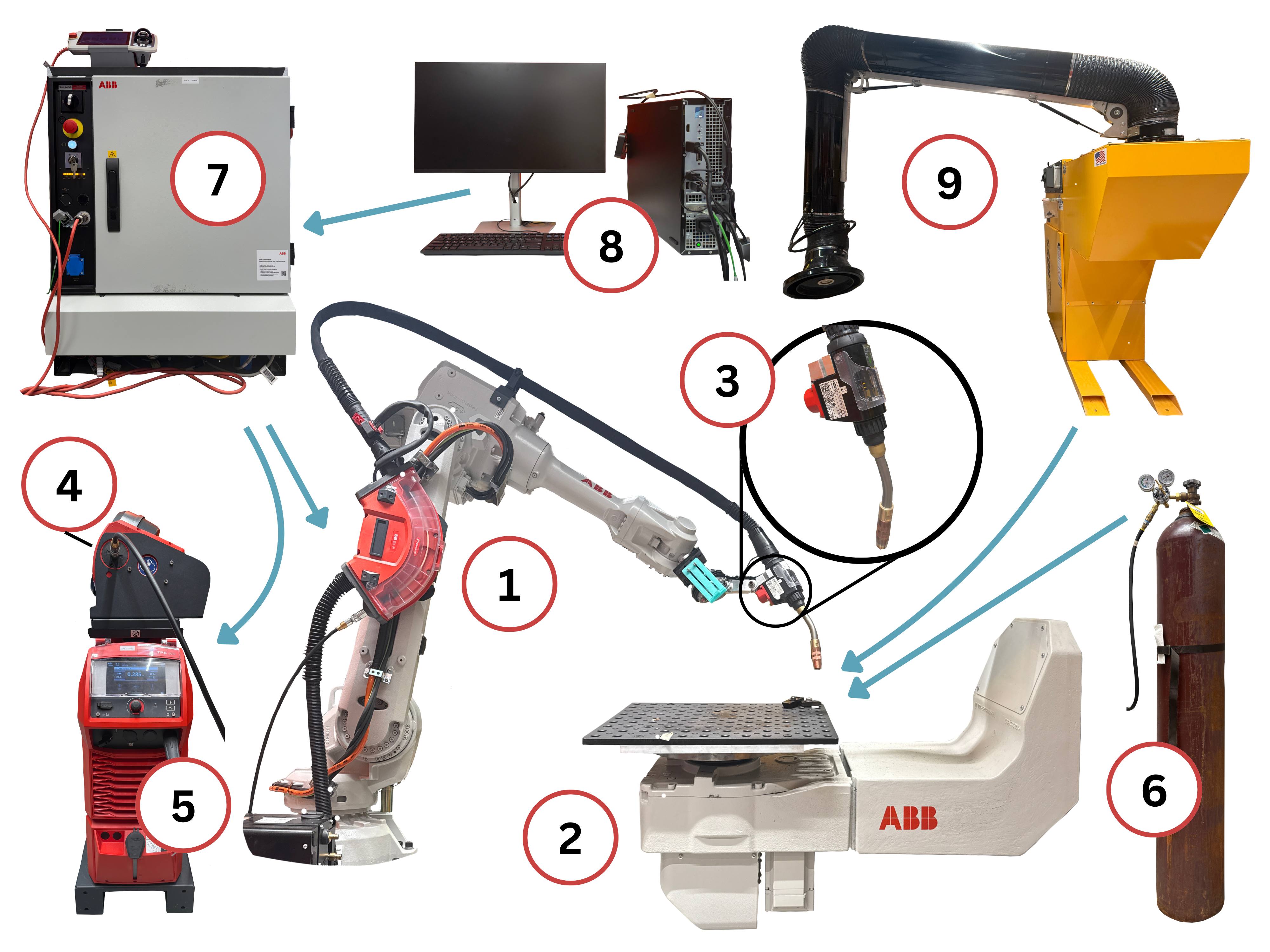
My research is done at Wesleyan University's Chang-Davidson Lab, which focuses on steel additive manufacturing using a MIG welding setup.
This project explored the relationship between programmed toolpaths and physical results, examining how changes in curvature and process parameters influence the final bead; a critical manufacturing consideration when translating design into physical objects.
02 — THE EXPERIMENT
Programming the path and welding the samples.
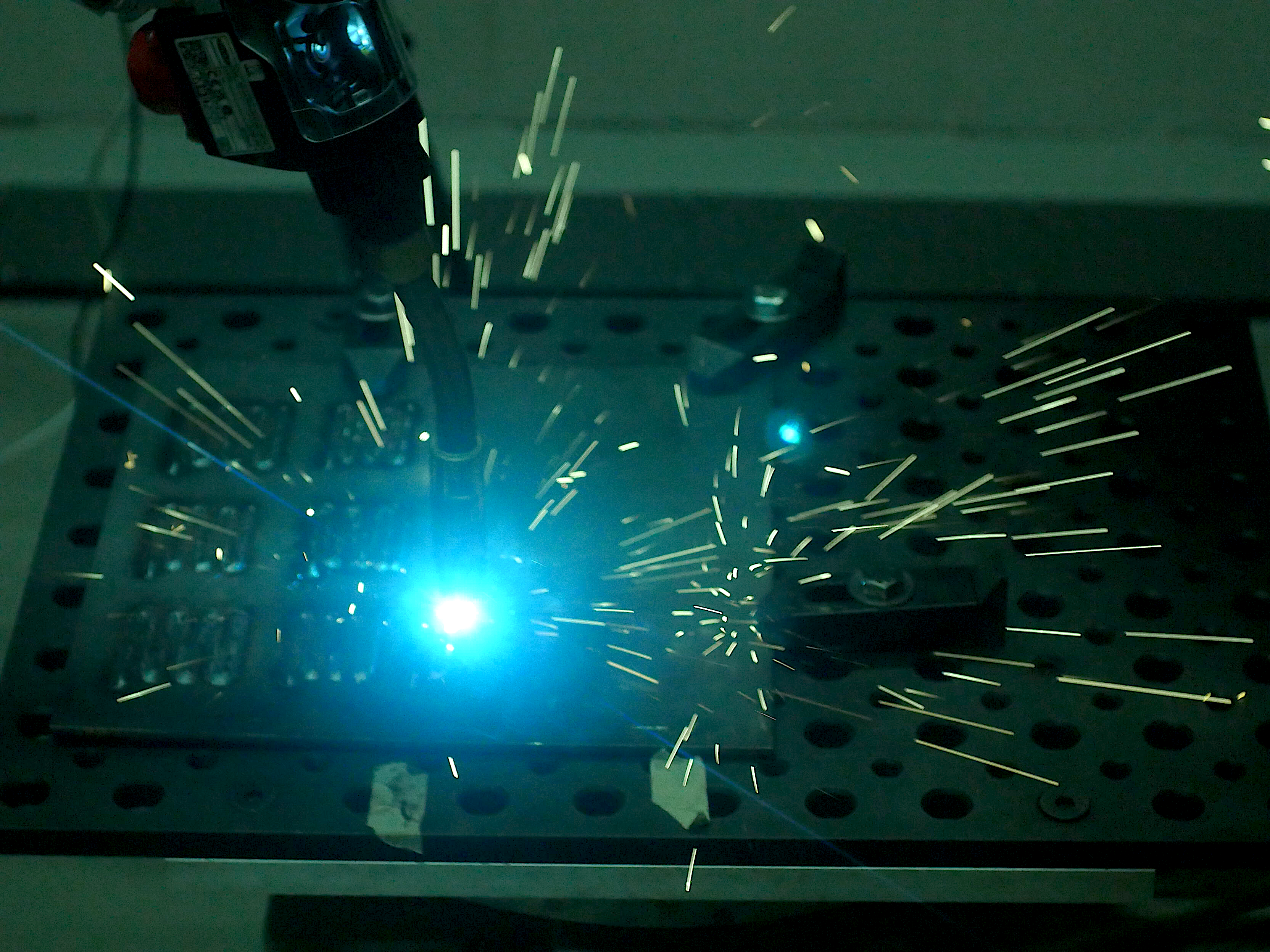
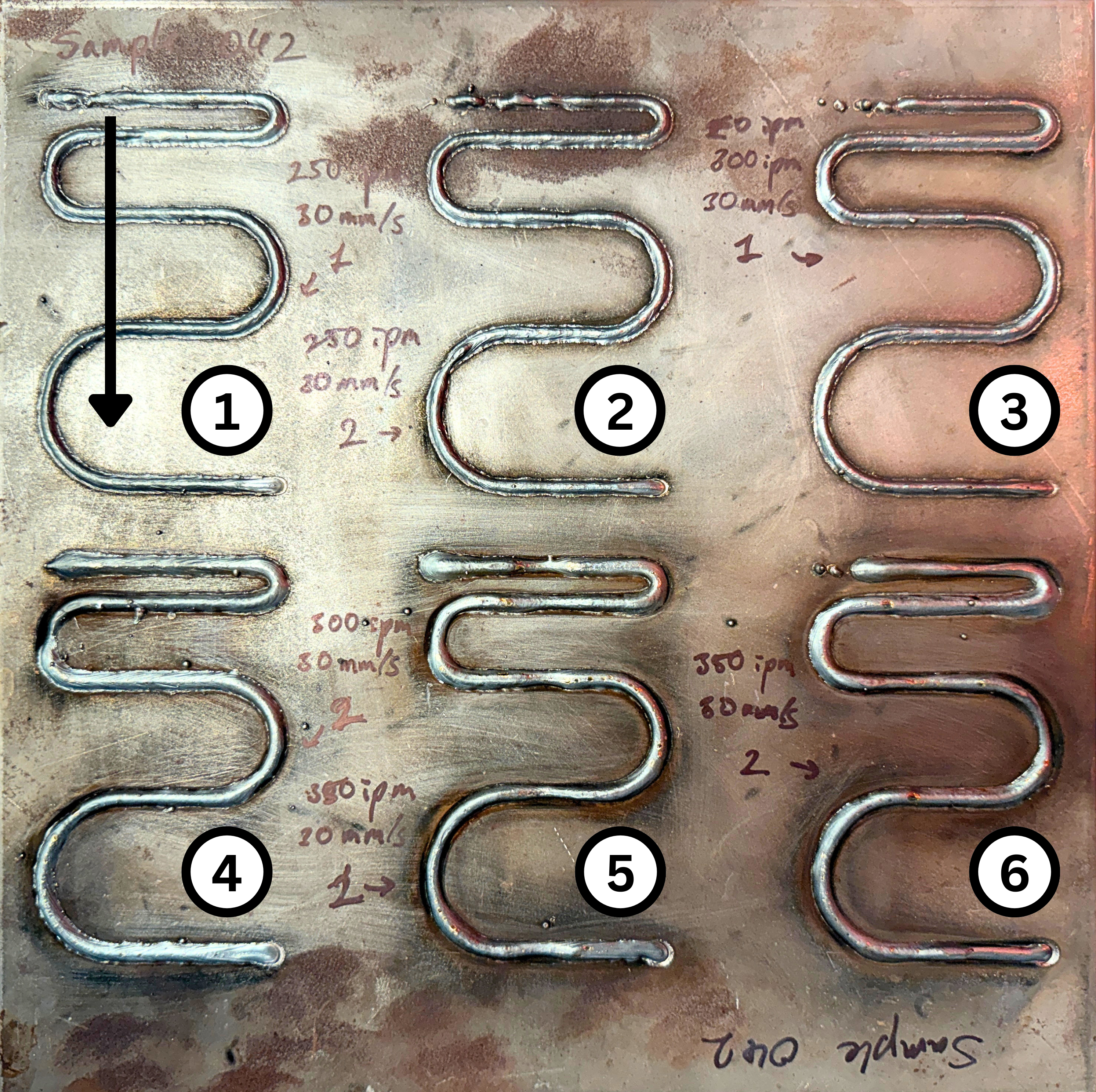
I designed and tested curved robotic deposition paths across multiple combinations of curvature, wire feed rate, and travel speed.
The resulting deposits were measured and analyzed to understand how toolpath geometry affected bead width and height.
03 — THE WORK
04 — WHAT I FOUND
Curvature matters.
The study showed that toolpath curvature can substantially influence deposited bead geometry, particularly as curvature becomes smaller relative to the characteristic bead width.
Quantitative results are complete but being prepared for publication and are not included here.
05 — SUMMER SCIENCE SYMPOSIUM
Sharing the Research
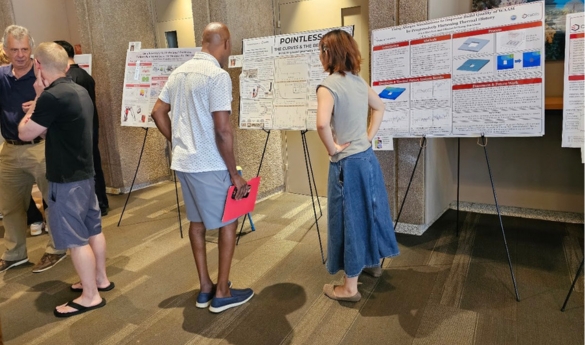
I presented this research at the Wesleyan University Summer Symposium where my oral presentation received third place in the Spark Prize competition.
RESEARCH & RECOGNITION
Wesleyan Research in Science 2026 Summer Fellowship
Wesleyan University · 2026
Spark Prize — 3rd Place
Wesleyan University Summer Symposium · 2026
Research Paper
Currently in preparation